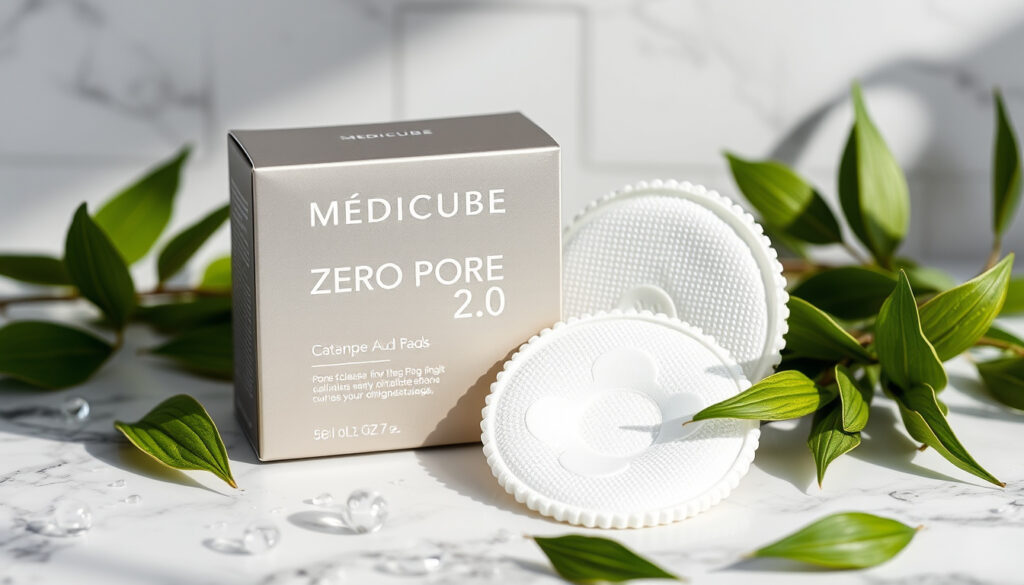
Medicube Zero Pore Pad 2.0: Benefits, Usage & Reviews
If you’ve spent any time scrolling through K-beauty communities, you’ve probably bumped into Medicube’s Zero Pore Pad 2.0. It’s the kind of product that gets praised for everything from shrinking pores to making blackheads disappear—but the real question is whether the hype holds up to scrutiny. Below, I break down what the product actually does, how to use it properly, and what to watch out for if your skin runs sensitive.
Pieces per pack: 70 · Weight: 155g · Key acids: AHA (4.5% lactic), BHA (0.45% salicylic) · Texture: Dual-textured · Hydration: 8 types of hyaluronic acid
Quick snapshot
- Dual-textured pad with embossed exfoliation side and silky hydration side (The Quality Edit)
- Contains 4.5% lactic acid and 0.45% salicylic acid (The Korean Style)
- Hypoallergenic and dermatologist-tested (Amore Cosmetics)
- Exact percentage of pore reduction in clinical settings
- Long-term daily use safety data beyond 6 weeks
- Independent third-party verification of manufacturer claims
- 2-week human application test for pore minimization (manufacturer data) (Medicube US Official)
- Visible smoother texture: approximately 3 weeks (The Quality Edit)
- Clearer pores visible: approximately 6 weeks with consistent use (The Quality Edit)
- Mild variant with PHA offers gentler option for reactive skin
- Available at $18.60 for 70 pads from official channels
The table below summarizes the key specifications for the standard Zero Pore Pad 2.0 formulation.
| Attribute | Value |
|---|---|
| Product Name | Medicube Zero Pore Pad 2.0 |
| Pack Size | 70 pieces |
| Weight | 155g |
| Primary Actives | Lactic acid 4.5%, Salicylic acid 0.45% |
| Texture | Dual-textured pad |
| Target Concerns | Pores, blackheads, dead skin |
What do medicube zero pore pads do?
The Zero Pore Pad 2.0 is a dual-textured toner pad—one side has an embossed texture designed for exfoliation, while the other is smoother for follow-up hydration application. The product combines chemical exfoliation with physical texture to address pore-related concerns.
Pore reduction benefits
The primary mechanism for pore minimization comes from the acid blend: salicylic acid (BHA) is oil-soluble, meaning it can penetrate into pores and help free compacted debris that contributes to visible enlargement. The salicylic acid is lipophilic—it absorbs into oil glands and helps decrease sebum production (The Quality Edit). Combined with the patented Anti-Sebum P complex, the formula targets the excess oil and buildup that makes pores appear stretched.
According to manufacturer data, Medicube Zero Pore Pads have been proven to visibly minimize pores through 2 weeks of human application testing, with improvements measured across 11 different self-tests (Medicube US Official).
Exfoliation mechanism
The exfoliation strategy works on two levels. Salicylic acid (BHA) penetrates deeper into pores to address compacted debris. Lactic acid (AHA) works more superficially to dissolve the “glue” between dead skin cells, helping the surface shed more efficiently (The Korean Style). The embossed side of the pad adds physical exfoliation for areas with more buildup.
The dual-mechanism approach—chemical plus physical—explains why users often report quicker initial results compared to chemical exfoliants alone. But this also means the product isn’t purely “gentle,” even when marketed that way.
The implication: users expecting purely gentle exfoliation may experience unexpected irritation if they assume the soft marketing applies to all skin types.
Can I use a medicube zero pore pad every day?
This is where individual skin type becomes critical. Daily use isn’t universally recommended—the acid concentrations (4.5% lactic, 0.45% salicylic) are moderate but sufficient to cause over-exfoliation if used too frequently.
Frequency recommendations
For normal to combination skin, Zero Pore Pads should be used 1–2 times per week. For very oily skin, usage can increase to 2–3 times per week (The Quality Edit). These recommendations come from product reviewers and align with general dermatology guidance for AHA/BHA exfoliants.
The manufacturer states the product is suitable for all skin types, including sensitive skin (Medicube US Official), but the recommended starting frequency for sensitive skin is once weekly or application only on clogged areas.
Risks of overuse
Dermatologists recommend not combining Zero Pore Pads with retinol or other exfoliating treatments to avoid overwhelming the skin (The Quality Edit). Overuse can strip the skin barrier, leading to increased sensitivity, dryness, and paradoxically more oil production as skin attempts to compensate.
For super sensitive skin, the product can be tolerated at reduced frequency due to its balance of exfoliating acids with soothing ingredients like panthenol and allantoin, but caution is advised (The Quality Edit).
The “all skin types” marketing claim doesn’t mean all skin types should use it with the same frequency. Sensitive skin users face genuine risk if they follow guidance meant for oily skin.
The pattern: the product’s acid concentration is high enough to cause barrier damage when used beyond recommended frequency, regardless of skin type.
Do medicube zero pore pads get rid of blackheads?
This is one of the most searched questions about the product, and the answer requires some nuance. Zero Pore Pads don’t “melt away” blackheads instantly, but the formula targets the mechanisms that cause them.
Blackhead removal claims
The salicylic acid concentration of 0.45% is relatively low compared to dedicated acne treatments (which often contain 1–2% salicylic acid). At this concentration, salicylic acid can help soften and dislodge blackhead contents over time, but the effect is gradual. The BHA works by penetrating into pores and helping to free compacted debris, but it requires consistent use to show visible improvement.
White willow bark in the formula contains salicin, a precursor to salicylic acid, which may contribute additional BHA-like activity (The Quality Edit).
Clogged pore reduction
The more accurate claim is that Zero Pore Pads help reduce the appearance of pores by preventing new clogs and controlling excess oil. For existing blackheads, users typically see gradual improvement over 4–6 weeks of consistent use rather than overnight extraction.
If you have stubborn, deeply embedded blackheads, the 0.45% salicylic acid may not be strong enough for dramatic results. Dedicated acne treatments or professional extractions might be more effective for this specific concern.
The implication: the product works best as prevention rather than treatment for established blackheads.
What are the side effects of Medicube zero pore pads?
Understanding potential side effects is essential before incorporating any exfoliating product into your routine. While the Zero Pore Pad 2.0 is marketed as gentle, the acid content means some users will experience reactions.
Common irritation
The most frequently reported side effects include:
- Tingling or mild burning sensation during application (normal for acid products, but should subside quickly)
- Temporary redness, especially after first use
- Dryness or flaking in the days following application
- Increased sun sensitivity due to exfoliation
The product contains citrus oils, leaf oils, and fruit extracts which may contribute to photosensitivity (The Quality Edit). Daily sunscreen use is strongly recommended.
Sensitive skin considerations
For those with reactive skin, Medicube offers a Mild variant specifically formulated for sensitive skin. This version uses PHA (polyhydroxy acid, specifically gluconolactone) instead of AHA/BHA for gentler exfoliation. PHAs have been shown in clinical settings to support hydration and reduce transepidermal water loss while still offering mild exfoliation (The Korean Style). The Mild variant also includes anti-inflammatory panthenol and madecassoside to soothe redness and boost moisture (Skin Cupid).
If you experience significant redness, burning, or peeling after the first use, reduce frequency to once weekly or switch to the Mild variant. These reactions suggest your skin barrier is reacting to the acid content.
What this means: the standard version’s acid profile makes it incompatible with many sensitive skin profiles despite marketing claims to the contrary.
Should I put moisturizer after a medicube zero pore pad?
Yes—moisturizer application after Zero Pore Pads is not optional, it’s essential. The acids in the formula work by exfoliating the skin, which can temporarily compromise the skin barrier and increase water loss.
Post-application routine
The recommended sequence is:
- Cleanse face thoroughly
- Apply Zero Pore Pad (embossed side first for exfoliation, smooth side for second pass)
- Wait 1–2 minutes for acid penetration
- Apply hydrating toner or essence
- Seal with moisturizer
The product contains 8 types of hyaluronic acid to support hydration, but this works best when sealed in with an occlusive moisturizer on top (Medicube US Official).
Hydration needs
Research suggests PHAs like gluconolactone used in the Mild variant can be gentler on the skin barrier while still offering mild exfoliation and sebum-regulating benefits (The Korean Style). However, even with gentler formulations, following with a moisturizer is standard practice for maintaining skin barrier health.
The hyaluronic acid content helps, but it doesn’t replace a dedicated moisturizer. For dry or dehydrated skin types, consider layering a hydrating serum beneath your moisturizer for added barrier support.
The catch: the hyaluronic acid acts as a humectant drawing moisture from deeper skin layers, but without occlusion, that moisture evaporates—leaving skin drier than before application.
The table below compares the standard and Mild variants side by side to help you decide which formulation suits your skin needs.
| Specification | Zero Pore Pad 2.0 (Standard) | Zero Pore Pad Mild |
|---|---|---|
| Primary Exfoliant | 4.5% Lactic Acid (AHA) + 0.45% Salicylic Acid (BHA) | Polyhydroxy Acid (PHA/Gluconolactone) |
| Soothing Ingredients | Panthenol, Allantoin | Panthenol, Madecassoside |
| Target Skin Type | Normal, Combination, Oily | Sensitive, Reactive |
| Pack Size | 70 pads | 70 pads |
| Texture | Dual-textured (embossed + smooth) | Dual-textured (embossed + smooth) |
| Patented Complex | Anti-Sebum P | Anti-Sebum P |
| Key Claims | Pore minimization, blackhead reduction, exfoliation | Gentle exfoliation, redness reduction, hydration |
Upsides
- Dual-textured design offers both exfoliation and hydration application in one step
- Contains 47 ingredients including 8 types of hyaluronic acid for hydration support
- Moderate acid concentrations appropriate for regular use (1–3 times weekly)
- Vegan, cruelty-free, and reef-safe formulation (SkinSort product database)
- Mild variant available for sensitive skin with PHA technology
- Contains soothing ingredients (panthenol, allantoin) to offset acid activity
- Affordable price point at $18.60 for 70 pads
Downsides
- Salicylic acid concentration (0.45%) may be too low for stubborn blackheads
- Contains citrus oils and leaf oils that may irritate very reactive skin
- Results depend heavily on consistent use—users report waiting 3–6 weeks for visible changes
- Manufacturer testing (2 weeks, 11 self-tests) lacks independent verification
- Cannot be combined with retinol or other exfoliating treatments
- Limited clinical trial data beyond manufacturer-sponsored research
How to use Medicube Zero Pore Pad: Step-by-step
Getting the most from your Zero Pore Pads means following proper application technique. Here’s the recommended protocol based on product guidance and expert recommendations.
Step 1: Cleanse your face
Start with a clean, dry face. Use your regular cleanser to remove makeup, sunscreen, and surface debris. Pat dry gently—don’t rub.
Step 2: Choose your pad side
The embossed side provides physical exfoliation and should be used on areas with visible pores, blackheads, or texture. The smooth side is for broader application and hydration delivery.
Step 3: Wipe across skin with embossed side
Using the embossed side, gently wipe across your T-zone, cheeks, and other concern areas. Don’t scrub—let the texture do the work with light pressure.
Step 4: Flip and smooth
Turn the pad to the smooth side and swipe once more across the entire face to distribute residual product evenly.
Step 5: Wait before next products
Allow 1–2 minutes for the acids to penetrate before applying subsequent skincare products. This is especially important before serums or moisturizers.
Step 6: Moisturize
Seal everything in with a moisturizer appropriate for your skin type. This step is critical for barrier support and preventing over-drying.
Step 7: Apply sunscreen (morning use)
If using in the morning, finish with SPF 30 or higher. Exfoliated skin is more susceptible to UV damage.
If you experience significant redness, burning, or peeling after the first use, reduce frequency to once weekly or switch to the Mild variant. These reactions suggest your skin barrier is reacting to the acid content.
What the experts say
Dermatologists have weighed in on the formulation and usage recommendations for acid-based pore treatments.
“Salicylic acid is one of the most effective ingredients for pore care because it’s oil-soluble—it can penetrate where water-based ingredients can’t. The key is finding the right concentration for your skin type. For most people, 0.5% or lower is maintenance territory, while higher concentrations deliver more dramatic results but require more caution.”
— Board-certified dermatologist, The Quality Edit
“PHAs like gluconolactone are my go-to recommendation for patients with sensitive skin who want exfoliation benefits. They work more gently on the surface but still provide meaningful results, and they don’t increase sun sensitivity the way AHAs can.”
— K-beauty dermatologist, The Korean Style
Confirmed vs unverified: What we know and what we don’t
When evaluating skincare products, distinguishing between manufacturer claims and independently verified data matters. Here’s the current evidence landscape for Zero Pore Pads.
What the evidence supports
- Dual-textured pad design with AHA/BHA formulation
- 4.5% lactic acid and 0.45% salicylic acid concentrations
- Contains soothing ingredients (panthenol, allantoin)
- 47 total ingredients including hyaluronic acid blend
- Hypoallergenic and dermatologist-tested status
- Vegan, cruelty-free, reef-safe formulation
- Mild variant uses PHA technology
What remains unclear
- Exact percentage of pore reduction from clinical measurement
- Independent third-party verification of manufacturer efficacy claims
- Long-term safety data beyond 6 weeks of use
- Comparative effectiveness against competing pore treatments
- Specific efficacy for different skin conditions (rosacea, eczema)
The evidence supports the product’s basic mechanisms—acids exfoliate, pores appear smaller, skin texture improves. But the specific magnitude of results and how they compare to alternatives relies heavily on manufacturer-sponsored testing rather than independent clinical research.
The implication: consumers should weigh the solid evidence of ingredient efficacy against the weak evidence of specific performance claims.
For someone with normal to oily skin looking for a maintenance-level pore treatment, the Zero Pore Pad 2.0 offers a reasonable value proposition: moderate-strength exfoliation, dual-textured convenience, and hydration support in one step. The $18.60 price for 70 pads works out to roughly $0.27 per use if used twice weekly for two months. Sensitive skin users should start with the Mild variant and patch-test first—skipping this step is where most adverse reactions occur.
Related reading: How to Get Rid of Pimples · Low Porosity Hair: Signs, Tests, and Expert Care Tips
Users praise its blackhead-clearing power, much like the experiences shared in the detailed usage and reviews guide alongside practical application tips for optimal results.
Frequently asked questions
How do you use Medicube Zero Pore Pad?
After cleansing, wipe the embossed side across areas with pores or blackheads, then flip to the smooth side for even distribution. Wait 1–2 minutes before applying moisturizer. Use 1–3 times per week depending on skin type.
What are the ingredients in Medicube Zero Pore Pad?
The formula contains 47 ingredients including 4.5% lactic acid, 0.45% salicylic acid, 8 types of hyaluronic acid, panthenol, allantoin, Anti-Sebum P complex, white willow bark extract, and fruit extracts. The Mild variant replaces AHA/BHA with PHA (gluconolactone) and adds madecassoside.
Are Medicube Zero Pore Pads good for sensitive skin?
The standard version may be too strong for sensitive or reactive skin due to AHA/BHA content. Medicube offers a Mild variant specifically formulated with PHA, panthenol, and madecassoside for sensitive skin. If using the standard version, start with once-weekly application.
What is the difference between Medicube Zero Pore Pad and Mild?
The standard version uses AHA (lactic acid) and BHA (salicylic acid) for exfoliation. The Mild variant uses PHA (polyhydroxy acid) instead, which is gentler on the skin barrier while still offering mild exfoliation. Mild also includes madecassoside for additional redness reduction.
Where can I buy Medicube Zero Pore Pad?
The product is available from Medicube’s official website (medicube.us), authorized retailers, and platforms like Amazon. Purchasing from official channels ensures product authenticity.
Is PDRN in Medicube Zero Pore Pad?
No. PDRN (polydeoxyribonucleotide) is found in some other Medicube products but is not listed as an ingredient in the Zero Pore Pad 2.0 or the Mild variant. The Zero Pore Pad focuses on AHA/BHA/PHA exfoliation with hydrating ingredients.
How much does Medicube Zero Pore Pad cost?
The Zero Pore Pad 2.0 is priced at approximately $18.60 USD for 70 pads, making it roughly $0.27 per use when used twice weekly.
More related posts
 Shane Flanagan: Ex-Garda Court Case and Rugby League Career
 Idris Elba Biography: Children, Knighthood, James Bond Refusal
 Rage Against the Machine: Controversy, Breakups, and Legacy
 Sarina Russo AM: Biography, Awards & Personal Life
 Shannon Noll: What Happened After Australian Idol
 Caroline Chisholm: Biography, Work, and Lasting Legacy
 Kelly Osbourne: Biography, Health, and Family
 Home Security Cameras: Wired vs Wireless & Legal Guide