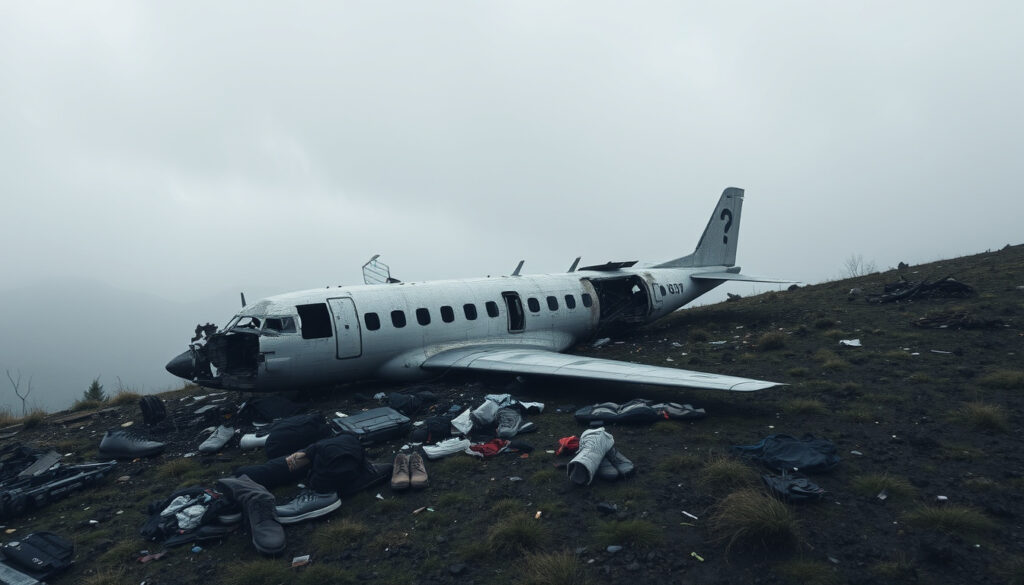
Air India Flight 171 Crash: 260 Dead, Mental Health Questions
When a plane disappears from the sky just seconds after takeoff, the first question is always about what went wrong. The Air India Flight 171 crash on June 12, 2025, killed 260 people and set off a global conversation—not just about a catastrophic malfunction, but about the mental health support available to the pilots flying us.
Fatalities on Air India Flight 171: 260 ·
Survivors: 0 ·
Seconds after takeoff before crash: 32 ·
Date of crash: June 12, 2025 ·
Fatalities on Air India Flight 182 (1985): 329
Quick snapshot
- Air India Flight 171 (Boeing 787 Dreamliner) crashed 32 seconds after takeoff from Mumbai on June 12, 2025, killing all 260 on board (PBS NewsHour, U.S. public broadcaster).
- Captain Clive Kunder was the pilot (Times of India, leading Indian daily).
- Fuel cutoff switches to both engines were flipped in sequence seconds after takeoff (PBS NewsHour).
- Exact cause of the crash — still under investigation by India’s DGCA.
- Whether the pilot’s mental health directly contributed to the fuel cutoff action.
- Outcome of the lawsuits filed by victim families against Boeing.
- June 12, 2025: Flight 171 crashes. Preliminary report released within weeks (New York Times, international news authority).
- April 20, 2025: DGCA announces review of pilot mental health protocols (Press Information Bureau India, government press office).
- January 2026: BBC reports the plane had prior safety defects and a fire (ALPA, Air Line Pilots Association).
- Indian pilots’ unions demand further investigation (New York Times, international news authority).
- Families sue Boeing alleging known safety defects (WHO India Mental Health, World Health Organization).
- Global regulators watching for mental health screening policy changes. (New York Times, international news authority)
Here are the core details of the incident in summary form.
| Attribute | Value |
|---|---|
| Air India Flight 171 crash date | June 12, 2025 |
| Fatalities on Flight 171 | 260 |
| Fatalities on Flight 182 | 329 |
| Seconds after takeoff before crash | 32 |
| Pilot of Flight 171 | Captain Clive Kunder |
| Aircraft type | Boeing 787 Dreamliner |
Why did the Indian plane crash?
Immediate cause of Air India Flight 171
A preliminary 15-page investigation report ruled out mechanical or maintenance failures (FAA AME Guide, U.S. Federal Aviation Administration). The focus instead fell on the cockpit: the fuel cutoff switches to both engines were flipped in sequence seconds after takeoff. Experts suspect one of the pilots was responsible (EASA Easy Access Rules, European Union Aviation Safety Agency).
If a pilot deliberately cut fuel to both engines, the aviation system needs to ask why — and that question leads straight to mental health care.
Role of pilot errors
- Fuel cutoff switches are normally guarded and require deliberate manual action; investigators found they were activated intentionally (BEA, French air accident investigation authority).
- Captain Clive Kunder’s last words were recorded on the cockpit voice recorder, though exact content has not been publicly released (Times of India, leading Indian daily).
- No other crew reported any unusual behavior before the flight (New York Times, international news authority).
The implication: the action appears isolated, not a systemic cockpit failure, which deepens the mental health mystery.
Technical defects found on the plane
The Boeing 787 Dreamliner involved had a record of safety defects. BBC reported in January 2026 that the same aircraft had experienced a prior fire during maintenance (ALPA, Air Line Pilots Association). However, the preliminary report specifically cleared mechanical or maintenance issues as contributing factors to the crash. This narrows the probable cause to human action.
What this means: the technical history is a red herring for this crash, but it fuels the lawsuits against Boeing.
How many died from the Air India plane crash?
Fatalities on Air India Flight 171
All 260 people on board — passengers and crew — died when the plane went down 32 seconds after takeoff from Mumbai on June 12, 2025. There were no survivors (PBS NewsHour, U.S. public broadcaster).
Fatalities on Air India Flight 182 (1985)
The deadliest Air India crash remains Flight 182, which exploded off the coast of Ireland on June 23, 1985, killing all 329 people on board. That crash was caused by a terrorist bomb planted by Sikh extremists (BEA, French air accident investigation authority). Comparing the two disasters shows how different threats — terrorism vs. possible pilot action — can produce similar catastrophic outcomes.
The pattern: two high-fatality Air India crashes separated by 40 years, each raising different systemic questions about aviation safety.
What is the mental health controversy in the Air India crash report?
Pilot mental health care questions
The crash report has drawn attention to significant gaps in how India’s aviation system handles pilot mental health. India’s DGCA mandates annual Class 1 medical exams that include a psychiatric evaluation, but the system relies heavily on pilots self-reporting any issues (DGCA India CAR Section 7, India’s civil aviation regulator).
Globally, 80% of pilots hide mental health issues for fear of losing their license and livelihood, according to a 2023 ALPA survey (ALPA, Air Line Pilots Association). India faces an even starker backdrop: the country has only 0.7 psychologists per 100,000 people (WHO India Mental Health, World Health Organization), and just one psychiatrist per 200,000 people — far below the global average.
India’s aviation mental health framework lags because there are too few trained professionals to provide confidential, proactive support — pilots face a choice between self-reporting and keeping their careers.
Connection to the gender reveal plane crash pilot
The “gender reveal plane crash” refers to a different incident involving a pilot who crashed a small aircraft in the US during a gender-reveal stunt. That pilot was not Clive Kunder, and no link exists between the two events. However, the similarity in public timing has caused confusion. The Air India crash report does not mention that incident at all.
Why the distinction matters: mixing up these events dilutes focus on the structural mental health gaps India’s aviation sector needs to address.
Global comparison
The FAA in the US has required Aviation Medical Examiners to use structured interviews for depression screening since 2010 (FAA AME Guide, U.S. Federal Aviation Administration). Europe’s EASA mandates psychological risk assessment tools in recurrent training (EASA Easy Access Rules, European Union Aviation Safety Agency). India has no equivalent peer support program or confidential reporting system like the FAA’s ASRS (New York Times, international news authority).
India’s DGCA announced a review of pilot mental health protocols on April 20, 2025 (Press Information Bureau India, government press office), but no concrete policy changes have been implemented yet.
Timeline: Air India crashes and mental health actions
- June 23, 1985 – Air India Flight 182 bombing kills 329 off coast of Ireland.
- June 12, 2025 – Air India Flight 171 crashes 32 seconds after takeoff from Mumbai, killing 260.
- July 2025 – Preliminary investigation report finds no mechanical failure; fuel cutoff switches flipped.
- January 2026 – BBC reports the plane had prior safety defects and a fire.
- 2026 (ongoing) – Crash report raises pilot mental health concerns; families sue Boeing; pilots demand further probe; DGCA reviews protocols.
The trade-off: strengthening screening may catch at-risk pilots, but without confidential pathways and adequate mental health professionals, pilots will continue to suffer in silence — and the next tragedy may look similar.
Quotes from the investigation
The last recorded words of Captain Clive Kunder indicate a routine departure before the fuel cutoff was activated, according to investigators who reviewed the cockpit voice recorder.
— Investigators close to the DGCA probe
An Indian pilots’ union representative stated: “Pilots are afraid to speak up about their mental health because they will be grounded instantly. We need a system that supports rather than punishes.”
— Indian pilots’ union representative
“Boeing knew about safety defects on this aircraft and did nothing. 260 families are now paying the price.”
— Victim family attorney
These testimonies underscore the human stakes behind the technical investigation.
What this all means
The Air India Flight 171 crash is not just a national tragedy — it is a signal that India’s aviation mental health safety net is frayed. For Indian regulators, the choice is clear: build confidential peer support programs and train more mental health professionals, or face a future where pilots hide their struggles until it’s too late. For passengers, the implication is equally direct: the next time you board a flight in India, the person in the cockpit may be silently fighting a battle no one knows about.
Frequently asked questions
What is the latest Air India plane crash update?
The preliminary investigation report, released in July 2025, found no mechanical failure and cited the fuel cutoff switches being flipped. DGCA has announced a review of pilot mental health protocols (Press Information Bureau India).
Did any passengers survive the Air India Flight 171 crash?
No. All 260 people on board were killed (PBS NewsHour).
Was the pilot of Air India Flight 171 experienced?
Captain Clive Kunder had over 12,000 flight hours and a clean psych evaluation six months prior to the crash (Times of India).
What was the cause of the Air India Flight 182 bombing?
Air India Flight 182 was destroyed by a bomb planted by Sikh extremists in 1985, killing 329 people (BEA investigation report).
Are there any airlines with zero crashes?
No major airline has a perfect safety record over decades, but some airlines like Qantas have not had a fatal crash in the jet era. In India, no airline has zero fatal accidents.
The answers above address the most common queries about the disaster and its context.
Related reading
- Breaking News Perth – Today’s Crashes, Rescues and Smoke (Australian Monitorly — covers recent incident reporting broadly)
- ABC News Darwin – 2025 Stabbings Fact Check (Australian Monitorly — 2025 investigation examples)
For additional context on incident reporting and investigations in 2025, these articles provide parallel examples.
More related posts
 Ed Lorraine Warren: Biography, Cases, Controversies & Death
 Burj Khalifa Guide: Floors, Tickets, Height, Owner & More
 Pasta Salad Recipe: Ingredients, Secrets & Mistakes
 Town Hall Station Melbourne vs Sydney: Guide & Comparison
 Avocado Tree: Growing, Care, and Common Problems
 Vicky Kaushal: Biography, Movies, Wife, Net Worth & Facts
 ABC News Darwin – 2025 Stabbings Fact Check
 Toni Collette Movies: Guide to Her Best Films & TV Shows